
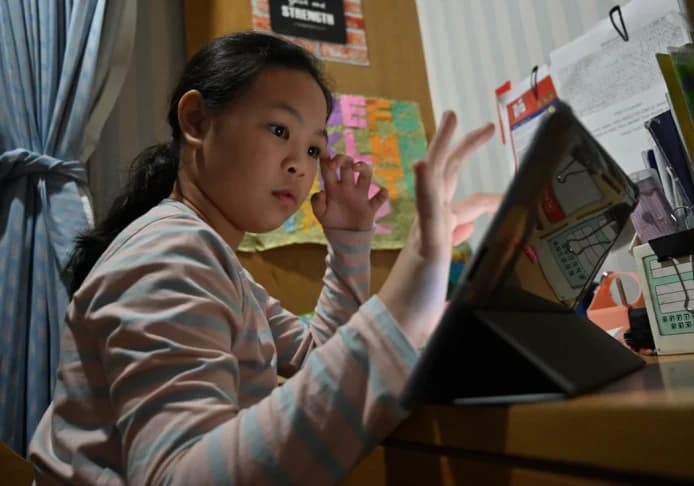
Covid pandemic shows online learning is here for good: the mental barriers must go
The Covid-19 pandemic has made one thing abundantly clear – technology is the only answer to all our current miseries, constrictions and incompetence. And while every person and business has suffered, the future of education worries me the most.
The alternatives to in-person learning provided by information and communication technologies are not completely ready, nor are the teachers and students who are supposed to use them, especially in less developed societies. In fact, technology, as presently utilised in schools and colleges, is more a problem than a solution for countries like India.
Not every teacher or student is adept at using computers and smartphones. Hundreds of thousands of students do not even possess smartphones. For those who do, connectivity can be a challenge.
While the list of technical, financial, logistical and other reasons why teachers (barring a small fraction of those belonging to high-end schools in urban areas) are struggling to deliver online learning is endless, the mental acceptance of this mode of learning seems to be the bigger hurdle (“In coronavirus new normal, give teachers time to learn”, December 25).
Does the average human mind react similarly to all kinds of change, especially when it’s sudden? Not too long ago, when concepts like e-commerce and online retailing were introduced, they were greeted by consumer scepticism and fears about data security and credit card theft. Today, e-commerce giants rule the roost worldwide.
Going further back in time, the telephone was at first a thing of awe and fear rather than admiration. Guglielmo Marconi, inventor of the radio, doubted his own invention and once said, “Have I done the world good, or have I added a menace?”
Many sensible changes, which eventually gained widespread acceptance, were not initially welcomed by those who lived through the transition.
In the post-pandemic world, much will change as online teaching emerges as an option worldwide. An infrastructure that can cater to the needs of students and teachers in the remotest corners of the country will not only address technical gaps but will also produce acceptability. Confidence that online services will be available to all has to be built through careful preparation.
The mental transformation required to move from a familiar and time-tested teaching methodology to a whole new virtual world of teaching will not be easy, but the luxury of leveraging technology in education has now become a necessity.